
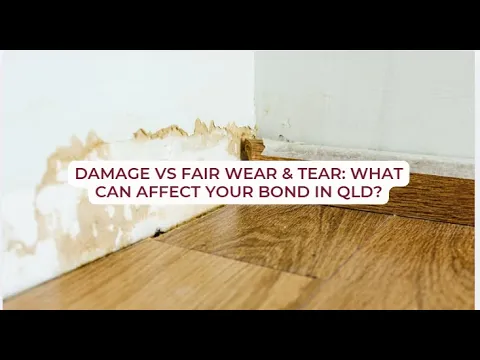
Damage Vs Fair Wear & Tear: What Can Affect Your Bond in QLD?
Renters in Brisbane are required to comply with predetermined rules and regulations when living in a rental property. Even with routine maintenance, there is a strong chance of losing the bond at the end of a lease. Tenants often find it confusing to address actual damage versus fair wear and tear. This could even lead to a bond failure or serious disputes, putting your bond at risk.
Under QLD tenancy laws, a rental property must be returned in a reasonable state of cleanliness, minus normal wear and tear. While landlords can’t deduct bond for everyday wear and tear or the natural ageing of the property, tenants must understand what’s actual damage (caused by them) to prevent bond deductions.
Fret not! Today, we’ll discuss the key difference between damage vs reasonable wear and tear using real examples and how it can affect your bond. As a responsible renter, make sure you thoroughly go through your tenancy agreement to better understand your rights and duties. For tackling stains and grime, you can hire seasoned professionals for guaranteed bond cleaning Brisbane. They follow a standard cleaning checklist to secure your full bond with ease.
Let’s Get Started!
Hide
Show
- What is Fair Wear and Tear in a Brisbane Rental?
- What Does Damage Beyond Fair Wear and Tear Mean?
- Common Examples: Property Damage Vs Fair Wear and Tear
- Who is Responsible for Fixing Property Damage?
- Can a Landlord Fail a Rental Inspection Due to Fair Wear and Tear?
- Infographic For Understanding Damage Vs Fair Wear And Tear In QLD
- Wrapping Up
1. What is Fair Wear and Tear in a Brisbane Rental?
In Queensland, Fair wear and tear means the normal, and of course expected, deterioration that occurs over time with daily use of the property. This comprises fading or peeling paint, worm carpets and small nail holes in walls. In simple words, tenants are not responsible for paying for natural ageing or everyday wear and tear.
Even landlords/property managers can’t deduct your bond against normal wear and tear. In fact, they are responsible for fixing these issues before renting a property to a new occupant.
Therefore, it is essential to click photos when signing an entry condition report. It can serve as evidence in case of unfair bond deductions. Property managers expect a clean and tidy property before the final move out, and you are responsible for returning it in the same condition.
2. What Does Damage Beyond Fair Wear and Tear Mean?

Damage, on the contrary, is any harm caused to the property or fixtures and fittings that goes beyond reasonable wear and tear or natural ageing. Either it could be damaged by tenants or by their approved pets. This includes broken windows, stains on the carpets, visible dirt, worn carpets due to negligence or broken furniture due to mishandling, etc.
In these scenarios, the landlord is entitled to repair the damage and charge the tenant for the cost of repair, or to deduct it from the tenant’s bond amount. In short, tenants are responsible for fixing or pay for the repairs before the final move out. Make sure you resolve all the issues before the arrival of bond cleaning Brisbane experts for a hassle free session.
3. Common Examples: Property Damage Vs Fair Wear and Tear
It is imperative for both landlords and renters in QLD to understand these key differences to prevent unnecessary disputes and bond deductions. Here’s a list of examples to know what’s covered in fair wear and tear vs. property damage caused by tenants:
Fair Wear and Tear Examples:
- Cracked window pane due to old, warped frames
- Fading of paint due to sun exposure
- Plaster cracks
- Small holes in the walls
- Worn carpets due to everyday use or natural ageing
- Worn kitchen benchtop due to everyday cooking
- Loose door handle hinges
- Water marks on carpets or walls due to rain or seepage
- Minor scuff marks on wooden floors
Examples of Negligent or Careless Damage:
- Cracked window pane due to careless treatment
- Paint discolouration due to candle smoke and the buildup of grease
- Intentional chipping of paint
- Scratches on benchtops when cutting food
- Carpet stains caused by you or by your approved pet
- Damage the wall due to sticky posters or decorative pieces
- Damage to the property due to mould growth
It is good to refer to your property condition report and compare it with the current property to avoid costly repercussions. Luckily, this differentiation will help you take a proactive step when moving out of your rental home.
4. Who is Responsible for Fixing Property Damage?
The responsibility of fixing property damage depends on whether the issue is a result of a tenant’s negligence or natural deterioration. Landlords are responsible for fair wear and tear and routine repairs. They need to ensure that the property meets the minimum living standard before presenting it to a new occupant.
However, if the damage is caused by the tenant, their approved pets or guests, they are responsible for fixing it. Landlords can also make necessary repairs and charge the cost to tenants. They can simply deduct your bond to cover damage expenses. So, it is better to fix the issues with the landlord’s permission before the final rental inspection.
5. Can a Landlord Fail a Rental Inspection Due to Fair Wear and Tear?
No, it is not a valid reason for landlords to fail a rental inspection. They can only deduct the bond if the property fails to meet the standard results, as already mentioned in the lease agreement. Inspections must focus on cleanliness, damage beyond wear and tear, and other issues caused by misuse or neglect.
If they fail your inspection, you, as a tenant, have the right to dispute the decision through the RTA. Make sure you collect all proofs, such as time stamped photos, receipts of cleaning and repair, cleaning obligations, videos of pre existing damage, etc. To achieve spotless results, call experts for a top quality bond cleaning Brisbane and secure your hard earned bond without any stress.
Infographic For Understanding Damage Vs Fair Wear And Tear In QLD

Wrapping Up
Both landlords and tenants should understand the key difference between fair wear and tear vs. damage caused by the tenant’s negligence or misuse. This will help you make the right decision and pass your final rental inspection without getting into chaos.