
10 Things Property Managers Check During Final Inspection
You may think your rental property looks clean, but property managers often notice details tenants overlook during the final inspection. From dusty ceiling fans to greasy kitchen appliances; even small cleaning issues can affect your chances of getting the full bond refund. This is why final inspections are usually more stressful than tenants expect, especially after the exhausting process of packing and moving.
According to tenancy experts, cleanliness related issues remain one of the most common reasons for bond deductions in Australia. Many renters now rely on professional bond cleaning Brisbane services to ensure every corner of the property meets inspection standards. This article lets you know 10 things property managers check during final inspection. Understanding what property managers usually check can help tenants prepare better, avoid disputes and leave the property in excellent condition.
Hide
Show
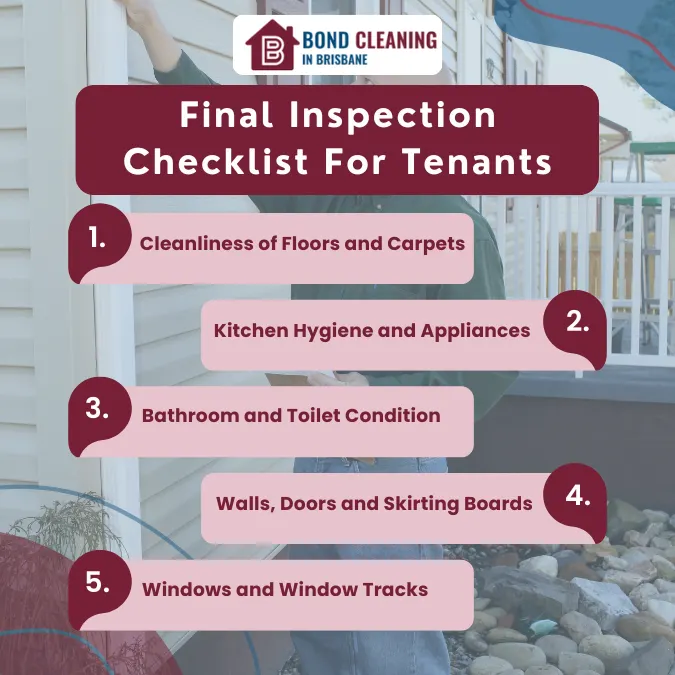
- Cleanliness of Floors and Carpets
- Kitchen Hygiene and Appliances
- Bathroom and Toilet Condition
- Walls, Doors and Skirting Boards
- Windows and Window Tracks
- Outdoor Areas and Gardens
- Dust on Hidden Surfaces
- Signs of Pest Problems
- Proper Functioning of Fixtures and Fittings
- Overall Presentation and Smell of the Property
- Infographic For Final Inspection Checklist For Tenants
- Wrapping Up
1. Cleanliness of Floors and Carpets
One of the first things property managers notice during a final inspection is the condition of floors and carpets. Dust, dirt, stains, pet hair, and marks on carpets can immediately attract attention. Vacuuming alone is often not enough, especially if the carpets have visible stains or lingering odours.
Hard floors are also checked carefully for grime, scratches, sticky residue, and dirt buildup in corners. Tenants should mop and disinfect all flooring surfaces before the inspection. If carpets are heavily stained, professional steam cleaning may be necessary to restore them properly.
2. Kitchen Hygiene and Appliances
The kitchen is one of the most heavily inspected areas in any rental property. Property managers usually check stovetops, ovens, range hoods, sinks, taps, and kitchen cabinets for grease, food residue, and stains. Even minor oil buildup inside the oven can become an issue during inspection.
Appliances should be cleaned thoroughly inside and out. Many tenants forget areas like behind the microwave, under appliances, and inside drawers. Hiring professional bond cleaning Brisbane services can help ensure every hidden corner of the kitchen is cleaned according to rental standards.
3. Bathroom and Toilet Condition
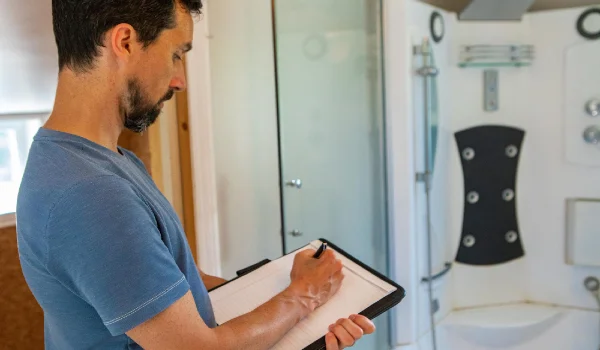
Bathrooms are another major focus during final inspections. Property managers carefully inspect shower screens, tiles, grout, mirrors, sinks, taps, toilets and bathtubs. Soap scum, mould, water stains, and clogged drains are common problems that can affect the inspection outcome.
A sparkling bathroom creates a strong positive impression. Tenants should disinfect all surfaces and remove any mould from tiles or grout lines. Paying attention to small details like polished mirrors and clean exhaust fans can make the bathroom look fresh and well maintained.
4. Walls, Doors and Skirting Boards
Walls often collect marks, fingerprints, and scuffs over time, especially in homes with children or pets. Property managers usually inspect walls closely for damage beyond normal wear and tear. Small nail holes, chipped paint or crayon marks can become potential concerns.
Doors, light switches, and skirting boards are also checked for dust and stains. Wiping down these areas can instantly improve the overall appearance of the property. If there is significant wall damage, tenants may need to repaint or repair sections before vacating.
5. Windows and Window Tracks
Clean windows can significantly improve the appearance of a property during inspection. Property managers often check both the interior and exterior glass for smudges, dust, and watermarks. Dirty or streaky windows can make the entire home appear poorly maintained.
Window tracks and blinds are equally important. Dust and dead insects commonly collect in these hidden spaces. Thoroughly cleaning blinds, flyscreens, and tracks can help tenants avoid unnecessary cleaning complaints from landlords.
6. Outdoor Areas and Gardens
If the rental property includes a balcony, courtyard, backyard, or garden, these areas will also be inspected carefully. Overgrown grass, dead plants, weeds, and accumulated rubbish can negatively affect the final inspection report.
Tenants should mow lawns, trim hedges, sweep outdoor spaces, and dispose of all waste before handing over the keys. Outdoor furniture marks and oil stains in garages or driveways should also be cleaned to leave the space neat and tidy.
7. Dust on Hidden Surfaces
Many tenants focus only on visible spaces and forget hidden areas during cleaning. However, property managers often inspect places like ceiling fans, air vents, shelves, light fixtures and the tops of cupboards for dust accumulation.
Even a clean looking home can fail inspection standards if hidden surfaces are ignored. Dusting these overlooked areas creates a polished and well maintained appearance throughout the property. This is one reason why many tenants choose professional bond cleaning Brisbane services for a more detailed clean.
8. Signs of Pest Problems
Property managers also look for evidence of pests such as cockroaches, ants, spiders, or rodents. Food crumbs, unclean kitchen spaces and overflowing rubbish bins can attract pests and create hygiene concerns.
Tenants should ensure all rubbish is removed before the inspection. Cleaning food storage areas, vacuuming corners, and sealing leftover food items can help prevent pest related issues. In severe cases, pest control treatment may be required before vacating the property.
9. Proper Functioning of Fixtures and Fittings
Final inspections are not only about cleanliness. Property managers also check whether fixtures and fittings are functioning correctly. This includes lights, taps, door handles, locks, smoke alarms, exhaust fans, and electrical switches.
Tenants should replace blown bulbs and report any maintenance issues before moving out. Leaving broken fixtures unresolved, may result in repair charges deducted from the bond amount. Conducting a personal inspection, before the official one can help identify these problems early.
10. Overall Presentation and Smell of the Property
The overall presentation of the rental property plays a major role during the final inspection. Even if the property is technically clean, unpleasant odours or clutter can create a poor impression. Property managers often notice smells caused by pets, smoke, dampness, or leftover garbage.
Fresh air and a neat presentation can make the property feel more welcoming and cared for. Opening windows, using mild air fresheners and ensuring the home is clutter free can improve the final impression significantly. A clean and fresh smelling home increases the likelihood of receiving the full bond refund without disputes.
Infographic For Final Inspection Checklist For Tenants
Wrapping Up
A final inspection determines whether tenants receive their full bond back, making it one of the most important parts of the moving process. By understanding what inspectors typically check, tenants can prepare more effectively and avoid last minute stress. Whether cleaning independently or hiring bond cleaning experts, paying attention to every detail can help ensure a smooth inspection experience and improve the chances of securing the bond refund.