Cleaning Tips and Gadgets for People with Mobility Issues
Keeping your home clean can feel like a full body workout even on the best days. However, for people with mobility challenges, everyday chores such as vacuuming, mopping or scrubbing bathrooms can become exhausting, painful and even unsafe. Bending, reaching high shelves or standing for long periods may increase the risk of falls or strain; turning simple tasks into stressful ones. A clean space should not come at the cost of comfort or health.
But with smart planning, adaptive tools and the right cleaning techniques, maintaining a tidy home becomes far more manageable. From ergonomic gadgets to energy saving routines, there are plenty of ways to reduce effort while still achieving professional level results. This article will provide you with cleaning tips and gadgets for people with mobility issues. And when deeper cleaning is needed, especially during moves, services like budget bond cleaning Brisbane providers can step in to handle heavy tasks safely and efficiently.
Hide
Show
- Use Lightweight and Ergonomic Cleaning Tools to Reduce Physical Strain
- Adopt Smart Cleaning Gadgets That Automate Tasks with Minimal Movement
- Break Cleaning into Short, Manageable Sessions to Avoid Fatigue
- Organise and Modify Your Home Layout for Safer, Easier Cleaning Access
- Seek Professional or Assisted Cleaning Support for Heavy Duty Tasks
- Infographic For How To Clean Home With Limited Mobility?
- Wrapping Up
1. Use Lightweight and Ergonomic Cleaning Tools to Reduce Physical Strain
The right tools can make a world of difference when mobility is limited. Traditional cleaning equipment is often bulky and heavy; requiring unnecessary strength and effort. Swapping these for lightweight, ergonomically designed alternatives reduces strain on joints, wrists, and the back. For example, cordless stick vacuums weigh significantly less than traditional models and are easier to move around furniture.
Look for tools with padded grips, adjustable handles and easy press buttons. Long handled dusters and extendable mops eliminate the need for bending or climbing stools. These small adjustments protect your body while still allowing you to reach every corner of your home comfortably. Investing in better tools upfront saves both time and physical energy in the long run.
2. Adopt Smart Cleaning Gadgets That Automate Tasks with Minimal Movement
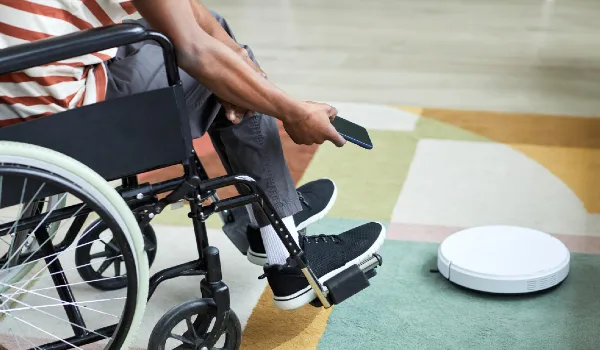
Technology has transformed home cleaning into a far less labour intensive task. Robot vacuums and mops are particularly helpful for people with mobility issues, as they clean floors automatically with minimal supervision. Simply schedule them to run daily, and they’ll keep dust and debris under control without you lifting a finger.
Steam cleaners are another excellent option because they sanitise surfaces without heavy scrubbing or harsh chemicals. Voice activated devices and smart plugs can also turn appliances on or off without needing to move around frequently. By letting technology take over repetitive tasks; you save your energy for only what truly requires hands on attention.
3. Break Cleaning into Short, Manageable Sessions to Avoid Fatigue
Trying to clean the entire house in one go can be overwhelming and physically taxing. Instead, divide chores into smaller, more manageable sessions. The method works especially well focus on one room or task each day rather than tackling everything at once. This approach prevents fatigue and reduces the risk of injury.
Create a simple weekly schedule, such as dusting on Monday, bathrooms on Tuesday, and laundry on Wednesday. Set a timer for 15 to 20 minutes and stop once it rings. Short bursts of activity help maintain consistency without exhausting yourself. Over time, these small efforts keep the home consistently clean without requiring marathon cleaning days.
4. Organise and Modify Your Home Layout for Safer, Easier Cleaning Access
Sometimes, cleaning difficulties stem from how the home is organised rather than the task itself. Rearranging your space, can significantly reduce physical strain. Store frequently used cleaning supplies at waist height to avoid bending or stretching. Keep products in portable caddies, so you don’t have to make multiple trips back and forth.
Decluttering also makes cleaning quicker and safer. Fewer objects mean fewer obstacles to navigate and fewer surfaces to dust. Consider installing grab rails in bathrooms or using non slip mats to prevent accidents while cleaning wet areas. An accessible home layout not only simplifies chores but also enhances everyday safety and independence.
5. Seek Professional or Assisted Cleaning Support for Heavy Duty Tasks
Even with the best tools and strategies, some tasks may still feel too demanding and that’s perfectly okay. Heavy duty jobs such as deep carpet cleaning, scrubbing tiles or preparing a property for inspection can require significant effort. In such cases, reaching out for help from family, friends or professional cleaners can make life much easier.
Professional services, including bond cleaning Brisbane specialists, are especially useful during end of lease or move out situations where thorough cleaning is essential. They handle labour intensive work efficiently while you avoid unnecessary strain. Knowing when to delegate allows you to maintain both your home and your wellbeing without compromise.
Infographic For How To Clean Home With Limited Mobility?

Wrapping Up
Living with mobility challenges doesn’t mean compromising on cleanliness or comfort. With ergonomic tools, smart gadgets, thoughtful planning, and a few home adjustments, cleaning can become safer and far less stressful. Small changes like using lightweight vacuums or breaking chores into short sessions add up to significant relief over time. A clean, organised home should feel empowering and with the right approach, it absolutely can.